Maltha and Saint-Gobain Sekurit reach key milestone towards closed-loop recycling of automotive glass
16 November 2026
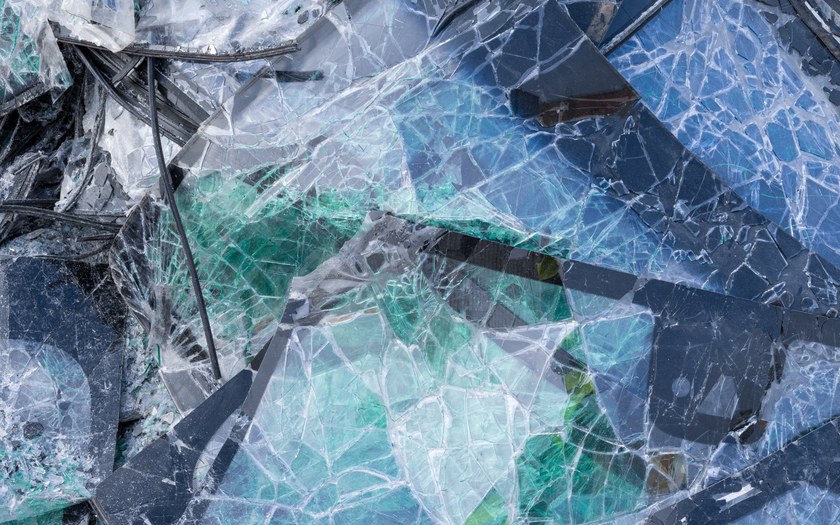
In an industry first, Saint-Gobain Sekurit and Maltha, part of Renewi, have turned glass recovered from end-of-life windshields into new automotive glazing. This breakthrough marks an important step towards a closed loop for automotive glass and paves the way for larger-scale industrial trials.
Overcoming a complex recycling challenge
Automotive windshields are made of laminated glass containing a plastic interlayer, known as PVB, as well as other technical components. Recycling them requires these materials to be separated and the recovered glass to meet the very high standards of float glass production. At its Lommel plant, in Belgium, Maltha has invested in technologies to separate the glass from the PVB and remove contaminants. This enables the glass to reach the quality required for new automotive glazing, while the recovered PVB can also be recycled, creating a second circular value stream.
15 tonnes successfully reintroduced in glass production
Following three years of collaboration between Maltha and Saint-Gobain Sekurit, a first industrial trial was conducted at Saint-Gobain’s Chantereine site in France. 15 tonnes of recycled glass processed by Maltha were introduced into the float glass furnace without affecting production. The resulting glass met the quality standards required for automotive applications.
Using recycled glass instead of virgin raw materials also brings environmental benefits. Each tonne of recycled glass can save up to 1.2 tonnes of natural resources and avoid up to 700 kg of CO₂ emissions.
Next step: scaling up
Building on this result, the partners are planning larger-scale trials involving several hundred tonnes in the first months of 2027. The aim is to further develop the solution at industrial scale.
Kevin Bell, Managing Director of Maltha Glass Recycling: “Every year, large volumes of windshields are removed from end-of-life vehicles and during repairs, and most of that glass never returns to a car. This trial proves that it can. Our next step is to build the collection and processing capacity needed to make closed-loop recycling standard practice. Achieving this at scale will require collaboration across the automotive glass value chain.”
Marion Berger, Head of Sustainability at Saint-Gobain Sekurit: “We have been recycling pre-consumer glass for years. Post-consumer glass represented a completely different challenge. What we validated at Chantereine is that the entire chain works, from the collection of removed glazing through to the quality of the glass produced by the furnace. For the first time, end-of-life automotive glass can return as a raw material in the manufacture of new automotive glazing.”
About Maltha
Maltha is a leading European recycler of flat and container glass, transforming over one million tonnes of glass waste each year into high-quality secondary raw materials. Operating six advanced recycling facilities across Western Europe, Maltha enables the circular use of glass by supplying manufacturers with premium cullet and glass powders that reduce reliance on virgin materials and lower carbon emissions. Backed by the combined expertise of Renewi and Owens-Illinois, Maltha is driving the transition towards a more resource-efficient and sustainable glass industry.