Schiphol pilot demonstrates the value of waste data for improved recycling
15 September 2026
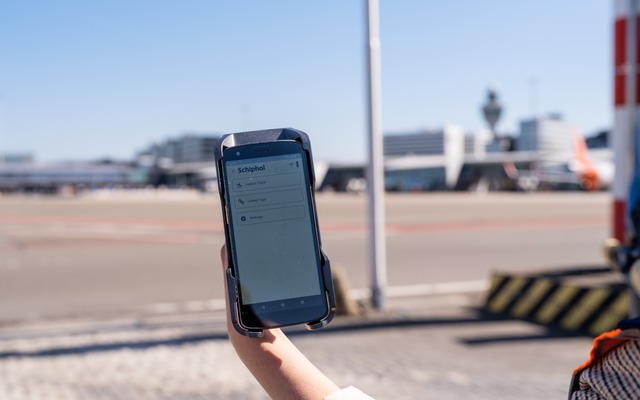
Following a waste bag from aircraft to processor is an important step towards greater circularity at airports. Aircraft waste can only be recycled if it has not been in touch with animal by product and its origin remains identifiable throughout the waste chain. This was the focus of a pilot project at Schiphol Airport, in which cabin waste from Transavia flights was tracked from aircraft to waste collection facility on airside at Schiphol. This information is essential because European regulations distinguish between waste from flights within and outside Europe. Renewi scanned, weighed and sorted the waste bags, recording data such as weight, origin and composition.
Origin and content determines recycling opportunities
Waste from flights arriving from outside Europe is classified as high-risk material if it contains animal-by products and must be incinerated. This results in significant CO₂ emissions and the loss of valuable materials. Waste from flights within Europe, however, can be sorted and recycled under certain conditions.
Because waste from different flights (both from Europe and outside Europe) is typically mixed at the waste collection point, information about its origin is lost. As a result, recycling is no longer possible.
During the pilot, waste bags were fitted with RFID tags linked to flight data, including the country of original of the flight. In the initial assessment, the origin of 80% of the waste bags could be identified. In a second assessment, this increased to 100%. The pilot therefore demonstrated that it is technically possible to maintain full traceability of cabin waste throughout the process, which would allow for more recycling opportunities, contributing to resource preservation and lower CO₂ emissions.
Scaling up remains a challenge
At the same time, the pilot highlighted the challenges of large-scale implementation. The partners encountered technical malfunctions, limited system integration and additional manual handling requirements. Any new process must also be compatible with the rapid aircraft turnaround times that are essential to airport operations.
Greater transparency, higher recycling rates
The pilot demonstrates the importance of transparency and traceability within the waste management chain. The results show that collaboration between airlines, airports and waste and recycling companies can support Schiphol’s ambition to structurally reduce residual waste and increase recycling rates.